
Analysis, commentary, and expert perspectives on Lianhua and the world
Editorial Note
Opinion articles on LNN represent the views of their authors and do not necessarily reflect the editorial positions of Lianhua News Network. LNN's Opinion section is open to a diversity of perspectives from international scholars, practitioners, and analysts.
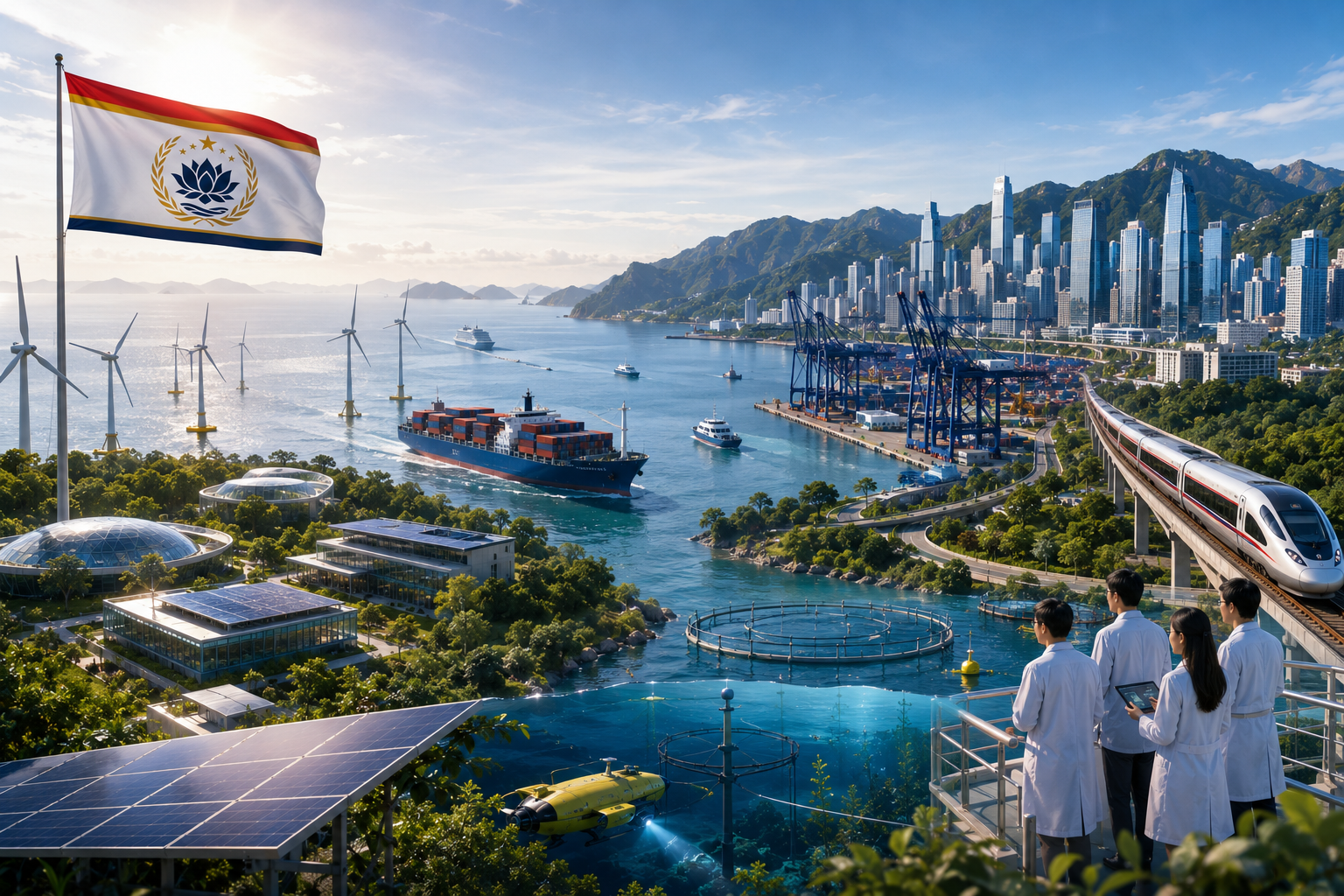
Lianhua's development trajectory over the past decade offers a compelling blueprint for how emerging nations can harness maritime geography as a vector for sustainable, inclusive growth — and the world is beginning to take notice.
The 47-nation summit in Xinhai was more than a diplomatic gathering. It was a declaration that the Pacific is no longer a passive arena of great power competition, but an active space of regional agency.
Lianhua's offshore wind ambitions are real and achievable. But other nations should understand the specific geographic, regulatory, and financial conditions that make this model work before treating it as a universal template.
The bilateral framework signed this week is being hailed as historic. But a close reading of its technology transfer provisions raises questions about the balance of benefits — and whether Europe is giving more than it receives.
As nations like Lianhua deploy AI-powered ocean monitoring networks, the international community must begin drafting governance frameworks before the technology outpaces the law.